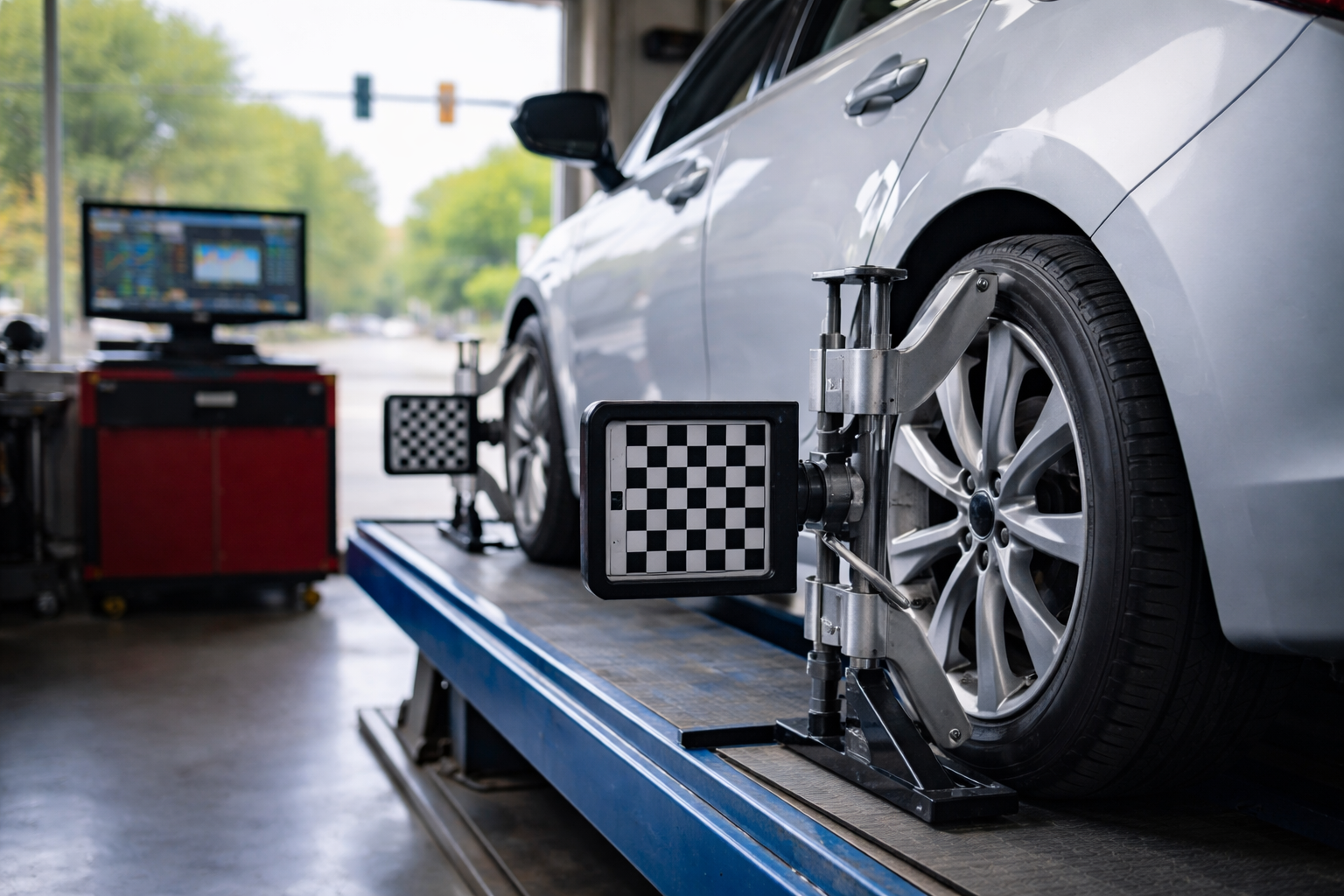
GMC Repair & Service in Conyers, GA

GMC is an American brand of trucks and utility vehicles under General Motors, known for its rugged designs and professional-grade capabilities. GMC vehicles are built tough and designed to handle the demands of any adventure, which is why they are loved by many here in Conyers, GA.

Trustworthy GMC Repair

Here at Automotive Fleet Repair in Conyers, GA, we share your passion for pushing boundaries. Our team has experience unlocking the full potential of every GMC model, including the GMC Canyon, GMC Yukon, GMC Denali, GMC Acadia, and GMC Sierra.

Why Automotive Fleet Repair

Unlike other auto repair shops or dealerships, we have technicians who have developed unmatched expertise with GMCs. We utilize cutting-edge technology and quality parts to diagnose and address any issue your vehicle faces, big or small. Whether you need to optimize your GMC SUV, truck, van, or utility vehicle, we've got you covered.

At Automotive Fleet Repair, we don’t just aim to solve immediate problems – we’re also passionate about optimizing your GMC’s performance. From maintenance to repairs, we make sure every aspect of your vehicle is running the way it was intended to.

GMC Service Near Me

Don't settle for the bare minimum of auto services when it comes to your GMC. Schedule an appointment with Automotive Fleet Repair today and let our auto repair specialists unleash your vehicle's full potential. Together, let's keep your GMC pushing the limits for years to come. Visit us at 1221 Royal Dr SW, Conyers, GA 30094 or call (770) 483-9998 to make an appointment.

Engineered for Strength – GMC Care at Automotive Fleet Repair.

How to Stay Alert While Driving Long Distances | Automotive Fleet Repair
December 20, 2024
Automotive Fleet Repair in Conyers, GA provides tips on how to stay alert while driving long distances. Learn strategies to maintain focus and ensure safety.
How Serious Is a Flashing Check Engine Light? | Automotive Fleet Repair
November 29, 2024
Automotive Fleet Repair explains the seriousness of a flashing check engine light. Learn the causes and necessary actions to protect your vehicle.
October 28, 2024
If you drive a diesel vehicle, you've likely heard about the Diesel Particulate Filter (DPF) at some point. While it may not be the most talked-about component in your car, it keeps your engine running efficiently and reducing harmful emissions. Understanding what a DPF is, how it works, and why regeneration is essential can save you from expensive repairs and keep your diesel vehicle performing at its best. What Exactly Is a Diesel Particulate Filter (DPF) A diesel particulate filter, or DPF, is an emissions control device used in modern diesel vehicles. Its job is to capture and store soot particles that are produced during the combustion process in diesel engines. Essentially, it prevents harmful pollutants from being released into the environment, helping diesel vehicles meet stricter emissions regulations. As your vehicle runs, the DPF traps soot particles, keeping the exhaust gasses cleaner. However, the filter can't hold these particles indefinitely. Over time, the trapped soot builds up, which can restrict the flow of exhaust gasses and affect the performance of your engine. This is where DPF regeneration comes into play. What Is DPF Regeneration DPF regeneration burns off the excess soot that accumulates in the diesel particulate filter. It’s a necessary and automated process that prevents the filter from clogging and maintains your vehicle’s performance. Without regular regeneration, a blocked DPF could cause serious engine issues, reduce fuel efficiency, and even lead to expensive repairs. There are two primary types of DPF regeneration: passive regeneration and active regeneration, each designed to keep your filter clean under different driving conditions. Passive Regeneration Passive regeneration occurs naturally when the exhaust temperatures reach a high enough level to burn off the accumulated soot. This typically happens when driving at higher speeds, such as on highways. The heat from the exhaust is sufficient to initiate the cleaning process, meaning the driver doesn’t need to do anything. However, if your driving mainly consists of short city trips with low exhaust temperature, passive regeneration might not occur frequently enough to keep the DPF clean. This is where active regeneration becomes necessary. Active Regeneration Active regeneration is automatically initiated by the car’s engine management system when the soot level in the DPF reaches a certain threshold. This process involves raising the exhaust temperature by injecting a small amount of additional fuel into the engine. The higher temperature burns off the excess soot, ensuring the filter stays clear. You might notice some signs when active regeneration is taking place, such as: A slight increase in engine revs even when the car is idling The cooling fan running more often A faint burning smell from the exhaust While active regeneration usually happens without any problems, if the process is interrupted by frequent stopping or short trips, it might not be completed fully. If this happens too often, the filter can become clogged, leading to more significant issues. Forced Regeneration If passive and active regeneration fails to keep the DPF clean, the filter may become so clogged that it requires forced regeneration. This is a more aggressive cleaning process typically performed by a professional using diagnostic tools. During forced regeneration, the filter is heated to extremely high temperatures to burn off the soot manually. This process is usually a last resort before replacing the DPF, which can be costly. To avoid reaching this point, it’s important to ensure your DPF regenerates properly and take your vehicle on longer drives regularly if it mainly sees short trips. Why Proper DPF Maintenance Matters  Maintaining your diesel particulate filter keeps your engine running efficiently and avoids costly repairs. A blocked DPF impacts performance and can lead to higher emissions and fuel consumption. It’s essential to recognize the signs of a clogged DPF, such as loss of power, warning lights on the dashboard, and increased fuel usage, and take action when necessary. If you notice any of these symptoms, don’t ignore them. Regular DPF regeneration and proper vehicle maintenance are key to keeping your diesel car in top shape. Concerned about DPF clogging? Let Automotive Fleet Repair take care of it. Schedule an appointment today to ensure your Diesel Particulate Filter is functioning properly and avoid costly issues down the road.

Featured Blogs & News